Cities today are 2% of the earth surface, 50% of world population, 75% of global energy consumption, and 80% of global CO2 emissions. Cities are growing as well; by 2050, they will be 70% of world population which means that across the Asia-Pacific, we must build the same urban capacity in the next 40 years.
While Korea and Japan urbanisation is almost complete, in much of the rest of the region the pace matches the global average. Although most urban growth will take place in emerging economies, urban challenges are the same all over the world: congestion, unemployment, crime, and a high carbon footprint.
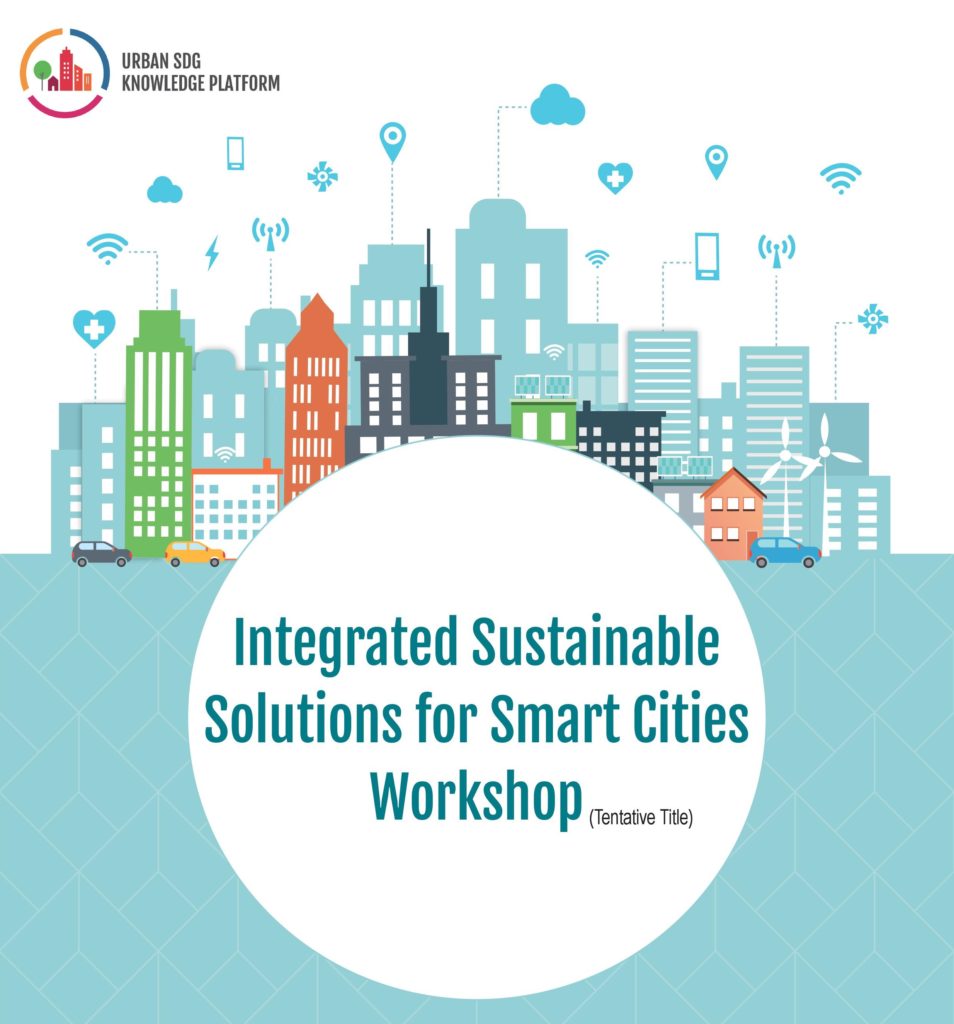
To address this issue, CityNet is holding a Smart City Workshop from August 18-25 together with Seoul Metropolitan Government (SMG) and UNESCAP as an offline activity of the Urban SDG Knowledge Platform. The workshop will be held in this year in Seoul and will be focusing on sharing and explaining SMG’s best practices and policies.
This workshop will provide an opportunity on which CityNet members can share a debate about the creation of livable and sustainable cities, the application of smartness to enhance the process, and how to apply the lessons learned to allow best practice within the network and beyond.
In order to build a concrete workshop session, CityNet is conducting a self-assessment survey asking for the cities to share their needs in regards of building smart cities.
Follow the link to share your thoughts.
For further information, please contact CityNet Programme Officer Seunghyeon Han at sdgplatform@citynet-ap.org.